
Embedded Systems Training in Bangalore: Complete Guide | ETDA
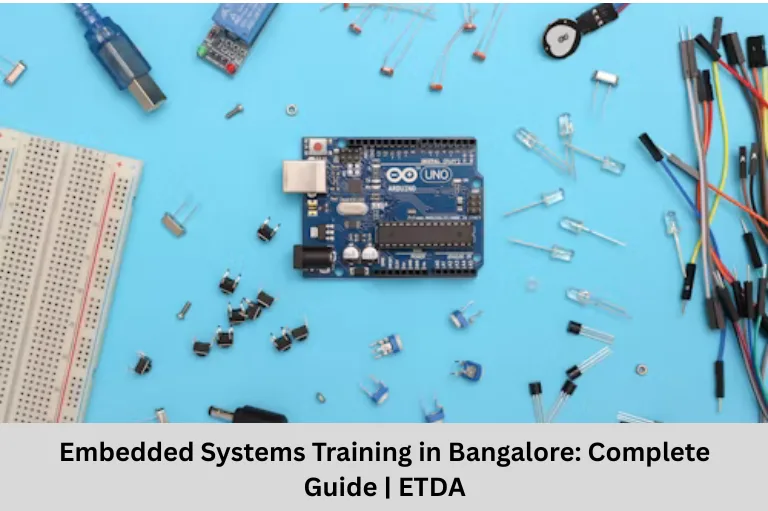
Looking for the best Embedded Systems training in Bangalore? Learn about course syllabus, career opportunities, placement support, and why ETDA is the Top Embedded Training Institute in Bangalore.
- Embedded Systems Training in Bangalore: Complete Guide | ETDA
-
Embedded Systems Training in Bangalore: Complete Guide
- What is Embedded Systems Training?
- Why Bangalore is the Best Place to Learn Embedded Systems
- Skills You Should Learn in an Embedded Systems Course
- Hands-On Training Makes the Difference
- Real-Time Projects You Should Work On
- Why Choose Embedded Tech Development Academy (ETDA)?
- Applications of LPC1768
- Career Opportunities After Embedded Systems Training
- How to Choose the Best Embedded Systems Training Institute
- Frequently Asked Questions (FAQs)
- Conclusion
Embedded Systems Training in Bangalore: Complete Guide
Bangalore is widely recognized as the Silicon Valley of India, home to thousands of technology companies, semiconductor firms, automotive manufacturers, and IoT startups. With the rapid growth of industries such as Automotive Electronics, Consumer Electronics, Industrial Automation, Robotics, Medical Devices, Aerospace, and the Internet of Things (IoT), the demand for skilled Embedded Systems Engineers has never been higher.
However, many engineering graduates find it challenging to secure core jobs because they lack practical skills and real-world project experience. Most college programs focus primarily on theoretical concepts, while companies expect candidates to be proficient in C Programming, Embedded C, ARM Cortex-M, STM32, LPC1768, RTOS, Internet of Things(IoT), communication protocols, and embedded debugging.
This is why enrolling in the Top Embedded Training Institute in Bangalore can significantly improve your career prospects. A structured training program helps bridge the gap between academic learning and industry requirements by providing hands-on experience with microcontrollers, development boards, sensors, and real-time projects.
Embedded Tech Development Academy (ETDA) has established itself as a leading destination for Embedded Systems education by offering industry-focused training, expert mentorship, practical laboratory sessions, and assured placement support. Whether you are an engineering student, recent graduate, diploma holder, or working professional looking to transition into Embedded Systems, ETDA provides the skills needed to become job-ready.
This complete guide explains everything you need to know about Embedded Systems training in Bangalore, including the skills you should learn, career opportunities, course structure, and why ETDA is a preferred choice for aspiring embedded engineers.
What is Embedded Systems Training?
Embedded Systems training is a specialized program designed to teach students how to develop software and hardware solutions for dedicated electronic devices.
Unlike general software development, embedded programming focuses on controlling hardware such as microcontrollers, sensors, motors, displays, and communication interfaces.
A quality Embedded Systems course combines theoretical knowledge with extensive hands-on practice, enabling students to design, develop, debug, and deploy real embedded applications.
Why Bangalore is the Best Place to Learn Embedded Systems
Bangalore is India’s largest technology hub and offers excellent opportunities for aspiring embedded engineers.
Presence of Leading Technology Companies
Bangalore hosts numerous organizations involved in embedded product development, including:
- Semiconductor companies
- Automotive manufacturers
- IoT startups
- Consumer electronics companies
- Medical device manufacturers
- Industrial automation firms
- Aerospace organizations
This creates strong demand for skilled Embedded Systems professionals.
Better Career Opportunities
Students trained in Bangalore gain access to:
- Core engineering jobs
- Internship opportunities
- Product-based companies
- Startup ecosystem
- Networking with industry professionals
Exposure to Industry Trends
Training in Bangalore allows students to stay updated with technologies like:
- IoT
- Automotive Embedded Systems
- Electric Vehicles
- Industry 4.0
- Artificial Intelligence Integration
- Smart Manufacturing
Skills You Should Learn in an Embedded Systems Course
A comprehensive training program should cover the complete embedded development lifecycle.
C Programming
C is the foundation of Embedded Systems.
Students gain practical exposure to:
- Register Programming
- Peripheral Configuration
- Sensor Interfacing
- Hardware Debugging
- Embedded Firmware Development
Hands-on experience improves technical confidence.
Embedded C
Embedded C enables direct interaction with hardware.
Topics include:
- Register Programming
- GPIO
- Timers
- Interrupts
- ADC
- DAC
- PWM
- LCD Interfacing
ARM Cortex-M Architecture
ARM processors dominate the embedded industry.
Students understand:
- ARM Architecture
- Memory Organization
- Exception Handling
- Peripheral Programming
- Debugging Techniques
STM32 and LPC1768 Programming
Modern embedded engineers must be familiar with industry-standard microcontrollers.
Students learn:
- GPIO Configuration
- UART Communication
- SPI
- I2C
- CAN
- USB
- Ethernet
- Sensor Interfacing
Real-Time Operating Systems (RTOS)
RTOS plays a critical role in multitasking embedded applications.
Students learn:
- Task Scheduling
- Queues
- Semaphores
- Mutexes
- Inter-task Communication
Internet of Things (IoT)
IoT training includes:
- Sensor Integration
- Wireless Communication
- Cloud Connectivity
- MQTT Protocol
- Smart Device Development
Automotive Embedded Systems
Automotive technology is one of the fastest-growing embedded domains.
Students explore:
- CAN Protocol
- ECU Concepts
- Vehicle Communication
- Automotive Electronics
Hands-On Training Makes the Difference
Theory alone cannot prepare students for embedded engineering roles.
The best institutes emphasize practical implementation.
Practical Learning Includes
- Programming Development Boards
- Sensor Interfacing
- Communication Protocols
- Debugging Firmware
- Hardware Testing
- Building Complete Embedded Applications
Hands-on practice builds confidence and strengthens technical understanding.
Real-Time Projects You Should Work On
Projects demonstrate your practical abilities during interviews.
Beginner Projects
- LED Blinking
- Digital Clock
- LCD Interface
- Push Button Control
Intermediate Projects
- Temperature Monitoring
- Smart Home Automation
- Motor Speed Control
- Smart Energy Meter
Advanced Projects
- IoT Smart Home
- Smart Agriculture
- Vehicle Tracking System
- Healthcare Monitoring
- CAN-Based Automotive Network
- Industrial Automation System
These projects significantly improve your resume and interview performance.
Why Choose Embedded Tech Development Academy (ETDA)?
If you’re searching for the Top Embedded Training Institute in Bangalore, Embedded Tech Development Academy (ETDA) stands out for its practical approach, experienced faculty, and career-focused training.
Industry-Oriented Curriculum
ETDA’s curriculum is regularly updated to match industry requirements.
Students receive training in:
- C Programming
- Embedded C
- ARM Cortex-M
- STM32
- LPC1768
- RTOS
- IoT
- UART
- SPI
- I2C
- CAN Protocol
- ECU Concepts
- Automotive Embedded Systems
Every module is designed to build practical, job-ready skills.
Modern Embedded Laboratories
ETDA provides access to advanced embedded hardware and development kits.
Students gain practical experience using:
- STM32 Boards
- LPC1768 Boards
- Sensors
- Communication Modules
- Debugging Tools
- Embedded Software Development Environments
This hands-on exposure helps students understand how embedded systems work in real-world applications.
Experienced Industry Trainers
Learning from professionals with industry experience provides valuable practical insights.
ETDA trainers guide students through:
- Firmware Development
- Hardware Interfacing
- Debugging Techniques
- Project Development
- Technical Interview Preparation
Real-Time Industry Projects
ETDA emphasizes project-based learning.
Students build multiple projects in:
- IoT
- Robotics
- Automotive Electronics
- Industrial Automation
- Consumer Electronics
Project experience improves technical confidence and strengthens resumes.
Assured Placement Support
One of the biggest advantages of joining ETDA is its comprehensive career support.
Students receive assistance with:
Applications of LPC1768
LPC1768 is used across multiple industries.
- Resume Preparation
- Aptitude Training
- Mock Interviews
- Technical Interview Guidance
- HR Interview Skills
- Career Counseling
- Company Referrals
- Assured Placement Support
This structured approach helps students transition from training to employment successfully.
Career Opportunities After Embedded Systems Training
Completing professional Embedded Systems training opens the door to a wide range of career options.
Popular Job Roles
- Embedded Software Engineer
- Firmware Engineer
- IoT Developer
- Automotive Embedded Engineer
- Embedded Test Engineer
- Robotics Engineer
- Industrial Automation Engineer
- Product Development Engineer
- Embedded Linux Developer
- Systems Integration Engineer
These roles are available across semiconductor companies, automotive organizations, consumer electronics manufacturers, healthcare technology firms, and IoT startups.
How to Choose the Best Embedded Systems Training Institute
Before enrolling in a course, evaluate the following factors.
Checklist
- Updated Industry Curriculum
- Practical Hardware Training
- Experienced Faculty
- Real-Time Projects
- Modern Laboratory Facilities
- Placement Assistance
- Positive Student Reviews
- Affordable Fees
- Flexible Learning Options
Choosing the right institute can significantly impact your career growth.
Frequently Asked Questions (FAQs)
Who can join an Embedded Systems training course?
Engineering students, diploma holders, recent graduates, and working professionals interested in electronics, firmware development, and IoT can enroll.
Is Embedded Systems a good career?
Yes. Embedded Systems offers excellent career opportunities across automotive, IoT, robotics, consumer electronics, aerospace, healthcare, and industrial automation.
Which programming language should I learn first?
C Programming is the foundation of Embedded Systems development and should be learned before moving on to Embedded C and ARM programming.
Does ETDA provide practical training?
Yes. ETDA emphasizes hands-on learning through development boards, sensors, communication protocols, and real-time embedded projects.
Does ETDA provide placement support?
Yes. ETDA offers resume building, interview preparation, mock interviews, technical guidance, and assured placement support.
Why is ETDA considered a Top Embedded Training Institute in Bangalore?
ETDA combines an industry-focused curriculum, practical hardware training, experienced faculty, real-time projects, modern lab facilities, and dedicated placement support, making it a trusted choice for aspiring embedded engineers.
Conclusion
The Embedded Systems industry continues to grow rapidly, creating exciting opportunities for skilled engineers across automotive, IoT, robotics, industrial automation, healthcare, and semiconductor domains. However, success in this field requires much more than theoretical knowledge. Employers expect candidates to have practical programming skills, hardware experience, debugging expertise, and exposure to real-world projects.
Choosing the Top Embedded Training Institute in Bangalore can make a significant difference in your career journey. Embedded Tech Development Academy (ETDA) equips students with industry-relevant skills through a structured curriculum covering C Programming, Embedded C, ARM Cortex-M, STM32, LPC1768, RTOS, Internet of Things(IoT), CAN Protocol, ECU Concepts, and Automotive Embedded Systems. Its focus on hands-on laboratory sessions, project-based learning, experienced mentors, and assured placement support ensures that students graduate with the confidence and expertise needed to meet industry expectations.
Whether you are starting your career or upgrading your technical skills, Embedded Tech Development Academy (ETDA) provides the knowledge, practical experience, and professional guidance to help you become a successful Embedded Systems Engineer. If your goal is to secure a core engineering job and build a rewarding future in embedded technology, ETDA offers the ideal platform to achieve it.
Author: ETDA Trainers
Experience: 10+ Years of Industry Experience in Embedded Systems, IoT, and Embedded C Programming