
Embedded Systems Training Institute with Placement | ETDA
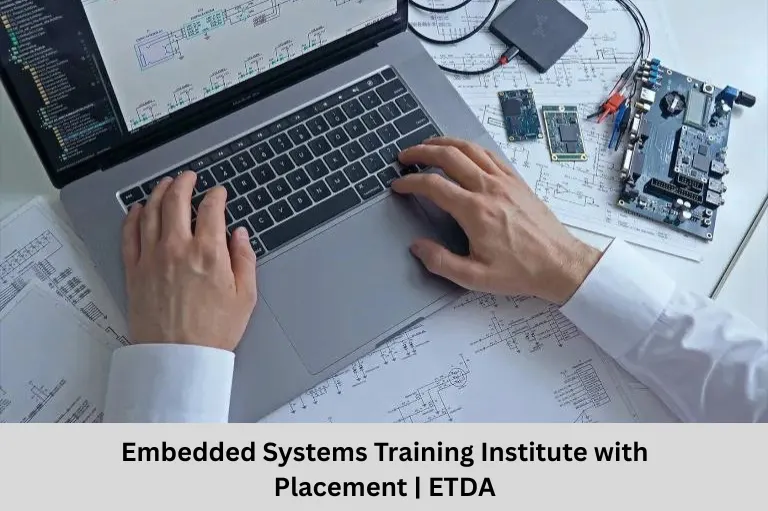
Join ETDA, an Embedded Systems Training Institute with assured placement support in Bangalore. Learn Embedded C, ARM, RTOS, Linux, Internet of Things (IoT), and industry projects.
- Embedded Systems Training Institute with Placement | ETDA
-
Embedded Systems Training Institute with Assured Placement in Bangalore
- Why Embedded Systems is One of the Best Career Choices Today
- Why Many Engineering Graduates Don't Get Embedded Jobs
- What Makes a Good Embedded Systems Training Institute?
- Why Choose Embedded Tech Development Academy (ETDA)?
- Assured Placement Support That Helps You Start Your Career
- Who Should Join ETDA?
- Skills You Will Gain After Completing the Course
- Benefits of Learning at ETDA
- Why Bangalore is the Best Place to Learn Embedded Systems
- Why ETDA Stands Out Among Training Institutes
-
Frequently Asked Questions (FAQs)
- Who can join an embedded systems training course at ETDA?
- Does ETDA provide assured placement support?
- What technologies are covered in the embedded systems course?
- Why is practical training important in embedded systems?
- Why should I choose ETDA over other training institutes?
- What job roles can I apply for after completing the course?
- How long does it take to complete an embedded systems training course?
- Do I need prior programming knowledge to join the course?
- Will I work on real-time embedded projects during the training?
- What is the average salary after completing an embedded systems course?
- Conclusion
Embedded Systems Training Institute with Assured Placement in Bangalore
The demand for embedded systems professionals continues to grow as industries adopt smart technologies, automation, connected devices, and intelligent electronics. From automotive electronics and medical devices to consumer gadgets and industrial automation, embedded systems power the products we use every day.
However, many engineering graduates struggle to secure jobs because they lack practical exposure and industry-relevant skills. Simply earning a degree is no longer enough. Employers seek candidates with hands-on project experience, knowledge of real-time operating systems, microcontrollers, embedded Linux, and debugging techniques.
If you’re searching for an Embedded Systems Training Institute with Assured Placement in Bangalore, choosing the right institute can make a significant difference in your career. Embedded Tech Development Academy (ETDA) provides industry-oriented training, practical project experience, expert mentorship, and assured placement support to help students confidently enter the embedded industry.
Throughout this guide, you’ll discover what makes a quality embedded training institute, the skills employers expect, and why ETDA is becoming the preferred destination for aspiring embedded engineers.
Why Embedded Systems is One of the Best Career Choices Today
Embedded systems are everywhere. Modern technology depends on intelligent electronic systems capable of performing dedicated tasks efficiently.
Some industries hiring embedded engineers include:
- Automotive Electronics
- Consumer Electronics
- Medical Devices
- Aerospace & Defense
- Industrial Automation
- Robotics
- IoT Solutions
- Smart Home Devices
- Telecommunications
- Semiconductor Companies
With increasing adoption of AI-enabled devices and IoT applications, the demand for skilled embedded engineers continues to rise.
Unlike many software roles, embedded systems combine programming with hardware knowledge, making professionals highly valuable across multiple industries.
Why Many Engineering Graduates Don't Get Embedded Jobs
Graduates often complete engineering without practical embedded development experience.
Common reasons include:
- Limited exposure to microcontrollers
- Lack of project-based learning
- No debugging experience
- Weak Embedded C programming
- No RTOS knowledge
- Poor understanding of hardware interfaces
- Insufficient interview preparation
Recruiters prefer candidates who have worked on real hardware rather than only theoretical concepts.
This is where professional embedded training becomes essential.
What Makes a Good Embedded Systems Training Institute?
Before enrolling, students should carefully evaluate the training institute.
Industry-Oriented Curriculum
The syllabus should match current industry requirements rather than outdated academic topics.
It should include:
- Embedded C Programming
- Microcontrollers
- ARM Cortex Programming
- STM32 Development
- Embedded Linux
- Device Drivers
- RTOS
- Internet of Things (IoT) Fundamentals
- Communication Protocols
- PCB Basics
- Debugging Techniques
Hands-on Practical Training
Learning embedded systems requires extensive practice.
Students should spend significant time working on:
- Development boards
- Sensors
- Actuators
- Embedded IDEs
- Hardware debugging tools
- Real-time projects
Theory without practical implementation rarely leads to job readiness.
Experienced Trainers
Faculty members should possess real industry experience.
Experienced trainers can explain:
- Industrial workflows
- Coding standards
- PCB debugging
- Product development lifecycle
- Interview expectations
- Problem-solving techniques
Learning from professionals shortens the gap between academics and industry.
Placement Support
A good institute doesn’t stop at training.
Students also need:
- Resume preparation
- Mock interviews
- Technical assessments
- Aptitude training
- HR interview guidance
- Company referrals
- Placement drives
These services significantly improve placement success.
Why Choose Embedded Tech Development Academy (ETDA)?
Embedded Tech Development Academy (ETDA) focuses on transforming beginners into industry-ready embedded engineers through practical learning and structured career guidance.
Whether you’re a fresher, final-year engineering student, diploma holder, or working professional, ETDA provides comprehensive training aligned with industry needs.
The institute emphasizes practical implementation rather than theoretical memorization.
Comprehensive Embedded Systems Curriculum
Students receive structured training covering complete embedded development.
Programming Skills
- Embedded C
- C Programming
- Data Structures Basics
- Memory Management
- Bit Manipulation
Microcontroller Programming
- ARM Cortex
- STM32
- LPC Series
- GPIO
- Timers
- ADC
- PWM
- Interrupts
Embedded Linux
Students learn:
- Linux Basics
- Boot Process
- Device Drivers
- Shell Programming
- File Systems
RTOS Training
Real-Time Operating Systems are widely used in embedded products.
Students gain practical knowledge of:
- Task Scheduling
- Queues
- Semaphores
- Mutex
- Memory Allocation
- Task Synchronization
Real-Time Industry Projects
Projects are among the biggest strengths of ETDA.
Students build applications such as:
- Smart Home Automation
- IoT Monitoring Systems
- Digital Energy Meter
- Smart Parking System
- Industrial Automation Projects
- Biomedical Monitoring Devices
- Wireless Sensor Networks
Working on projects improves confidence and technical understanding.
Practical Lab Environment
Students receive hands-on experience using:
- STM32 Boards
- ARM Development Kits
- Oscilloscopes
- Logic Analyzers
- Sensors
- Embedded Debugging Tools
This practical approach prepares learners for real workplace environments.
Assured Placement Support That Helps You Start Your Career
One of ETDA’s major advantages is its dedicated placement support.
Rather than simply completing the course, students receive career assistance until they are interview-ready.
Placement Assistance Includes
- Professional Resume Building
- Technical Mock Interviews
- HR Interview Preparation
- Aptitude Training
- Soft Skills Development
- Company Referrals
- Placement Drives
- Career Mentoring
The objective is to help students confidently attend interviews and secure opportunities in the embedded industry.
Industries Hiring ETDA Students
Students can pursue careers in:
- Automotive Companies
- Semiconductor Industries
- Consumer Electronics
- Embedded Product Development
- Medical Electronics
- Industrial Automation
- Internet of Things (IoT) Companies
- Robotics Firms
- Defense Electronics
- Telecom Industries
Who Should Join ETDA?
The course is suitable for learners from various educational backgrounds.
Engineering Students
Students from:
- Electronics & Communication Engineering
- Electrical Engineering
- Computer Science
- Instrumentation Engineering
- Mechatronics
can build strong embedded development skills before graduation.
Fresh Graduates
Freshers looking to improve employability can benefit from structured practical learning and placement support.
Working Professionals
Professionals interested in switching to embedded development can enhance their knowledge through advanced practical training.
Skills You Will Gain After Completing the Course
By the end of the program, students develop practical expertise in:
- Embedded C Programming
- ARM Cortex Development
- STM32 Programming
- Embedded Linux
- RTOS
- UART
- SPI
- I2C
- CAN Protocol
- GPIO Programming
- Interrupt Handling
- Bootloaders
- Device Drivers
- Hardware Debugging
- Embedded Project Development
- Technical Interview Preparation
These skills align with current industry expectations.
Benefits of Learning at ETDA
Students choose Embedded Tech Development Academy (ETDA) because of its practical learning approach.
Key Advantages
Industry-Relevant Curriculum
Updated course content reflects modern embedded technologies, ensuring students gain industry-relevant skills, practical knowledge, and better career opportunities in embedded systems.
Project-Based Learning
Students build multiple real-time projects instead of relying solely on classroom theory, gaining practical experience, problem-solving skills, and industry-ready expertise for careers.
Expert Mentorship
Industry professionals provide continuous guidance throughout the training journey, helping students develop technical expertise, confidence, and job-ready skills for success.
Assured Placement Support
Career guidance, interview preparation, and placement assistance improve employment opportunities, helping students secure rewarding jobs and achieve long-term professional success.
Flexible Learning
Training options are designed to accommodate students, freshers, and working professionals, offering flexible learning schedules for successful career advancement.
Why Bangalore is the Best Place to Learn Embedded Systems
Bangalore remains India’s leading technology hub.
Thousands of embedded-related opportunities exist in:
- Semiconductor companies
- Automotive electronics
- Internet of Things (IoT) startups
- Robotics firms
- Consumer electronics companies
- Industrial automation organizations
Learning embedded systems in Bangalore provides students with better networking opportunities, internships, technical events, and direct industry exposure.
Why ETDA Stands Out Among Training Institutes
Choosing the right training institute affects your long-term career growth.
Embedded Tech Development Academy (ETDA) combines technical excellence with career-focused learning through:
- Practical-oriented curriculum
- Modern laboratory facilities
- Industry-standard tools
- Experienced mentors
- Real-world projects
- Interview preparation
- Assured placement support
- Continuous career guidance
Students graduate with practical confidence rather than theoretical knowledge alone.
Frequently Asked Questions (FAQs)
Who can join an embedded systems training course at ETDA?
Engineering students, diploma holders, fresh graduates, and working professionals interested in embedded systems can enroll.
Does ETDA provide assured placement support?
Yes. ETDA provides assured placement support that includes resume building, mock interviews, technical preparation, career guidance, and placement assistance.
What technologies are covered in the embedded systems course?
The course includes Embedded C, ARM Cortex, STM32, RTOS, Embedded Linux, communication protocols, debugging, and real-time industry projects.
Why is practical training important in embedded systems?
Hands-on practice enables students to work with hardware, develop real-time applications, debug systems, and gain the experience employers value during technical interviews.
Why should I choose ETDA over other training institutes?
ETDA focuses on industry-oriented training, experienced mentors, practical projects, modern lab facilities, interview preparation, and assured placement support, helping students become job-ready embedded engineers.
What job roles can I apply for after completing the course?
You can apply for roles such as Embedded Software Engineer, Firmware Engineer, Embedded Developer, IoT Engineer, Device Driver Developer, Embedded Linux Engineer, and Hardware Validation Engineer.
How long does it take to complete an embedded systems training course?
The course duration depends on the training program you choose. Most comprehensive embedded systems courses can be completed in 3 to 6 months, with sufficient time dedicated to hands-on labs, real-time projects, and interview preparation.
Do I need prior programming knowledge to join the course?
No. Beginners can join the course without prior programming experience. ETDA starts with the fundamentals of C programming and gradually progresses to Embedded C, microcontrollers, ARM, RTOS, Embedded Linux, and advanced embedded development concepts.
Will I work on real-time embedded projects during the training?
Yes. ETDA emphasizes project-based learning, allowing students to build real-time applications such as IoT systems, home automation, industrial automation, smart monitoring solutions, and microcontroller-based projects. These projects help strengthen practical skills and improve placement opportunities.
What is the average salary after completing an embedded systems course?
The salary depends on your skills, project experience, company, and job role. Freshers with strong practical knowledge and project experience can typically expect packages ranging from ₹3 LPA to ₹10 LPA, while experienced embedded engineers can earn significantly higher salaries as they advance in their careers.
Conclusion
A successful embedded systems career begins with the right training. As industries increasingly seek professionals who can design, program, debug, and develop intelligent embedded solutions, practical knowledge has become more valuable than ever.
If you’re searching for an Embedded Systems Training Institute with Assured Placement in Bangalore, Embedded Tech Development Academy (ETDA) offers a comprehensive learning experience that combines industry-oriented curriculum, hands-on projects, experienced mentors, and dedicated placement assistance.
Whether you are a final-year engineering student, recent graduate, diploma holder, or working professional, ETDA equips you with the technical expertise and confidence needed to excel in today’s competitive embedded industry.
If your goal is to build practical skills, work on real-time projects, and receive assured placement support, ETDA is an excellent choice to launch your embedded systems career.
Top Embedded Training Institute in Bangalore is recognized by many aspiring engineers as a trusted choice for practical embedded systems education, and ETDA continues to prepare students with the skills employers are actively seeking.
Author: ETDA Trainers
Experience: 10+ Years of Industry Experience in Embedded Systems, IoT, and Embedded C Programming