
Applications of Embedded Systems in Everyday Life | Examples, Uses & Career Opportunities
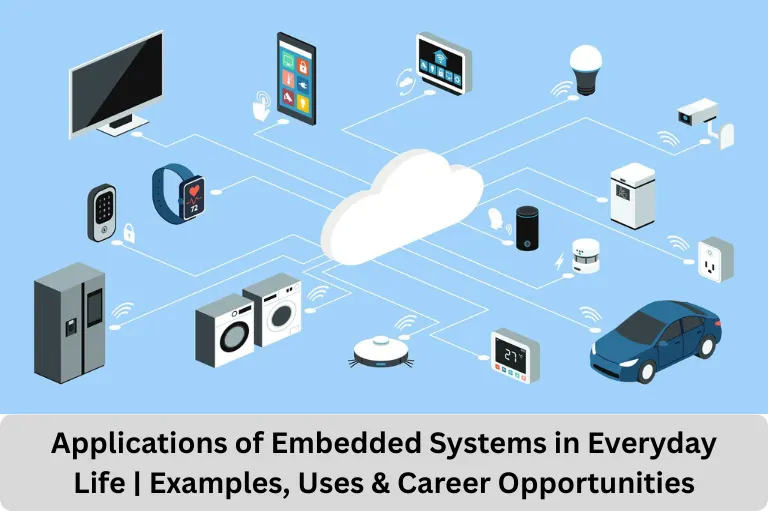
Discover the applications of embedded systems in everyday life. Learn how embedded systems power smartphones, automobiles, healthcare devices, smart homes, IoT, and industrial automation. Explore careers with ETDA.
- Applications of Embedded Systems in Everyday Life | Examples, Uses & Career Opportunities
-
Applications of Embedded Systems in Everyday Life
- What is an Embedded System?
- Why Embedded Systems are Important in Everyday Life
- Applications of Embedded Systems in Consumer Electronics
- Applications of Embedded Systems in Home Appliances
- Applications of Embedded Systems in Automotive Industry
- Applications of Embedded Systems in Healthcare
- Applications of Embedded Systems in Smart Homes
- Applications of Embedded Systems in IoT Devices
- Applications of Embedded Systems in Industrial Automation
- Why Engineering Students Should Learn Embedded Systems
- How ETDA Helps Students Build Embedded Systems Careers
-
Frequently Asked Questions (FAQs)
- What are the common applications of embedded systems?
- Why are embedded systems important?
- Are embedded systems used in automobiles?
- How do embedded systems support IoT?
- Is embedded systems a good career choice?
- Does ETDA provide embedded systems training?
- Can engineering students learn embedded systems?
- Conclusion
Applications of Embedded Systems in Everyday Life
Embedded systems have become an invisible yet essential part of modern life. Whether you’re using a smartphone, driving a car, watching television, withdrawing money from an ATM, or controlling a smart home device, chances are you’re interacting with an embedded system.
These specialized computing systems are designed to perform dedicated functions with high efficiency and reliability. Unlike general-purpose computers, embedded systems are optimized for specific tasks and often operate without direct user intervention. Their ability to provide automation, real-time processing, and intelligent control has made them indispensable across industries.
Today, embedded systems form the backbone of technologies such as Internet of Things (IoT), Artificial Intelligence (AI), Automotive Electronics, Industrial Automation, Consumer Electronics, and Healthcare Devices. As technology advances, the demand for embedded systems continues to grow, creating exciting opportunities for engineering students and professionals.
Embedded Tech Development Academy (ETDA) helps aspiring engineers gain hands-on experience in Embedded Systems, Embedded C, ARM Cortex-M, STM32, RTOS, IoT, and Automotive Electronics through industry-focused training and placement assistance. Understanding real-world applications of embedded systems is crucial for anyone planning to build a career in this field.
In this article, we will explore the various applications of embedded systems in everyday life and understand why they are so important in today’s digital world.
What is an Embedded System?
An embedded system is a specialized computer system designed to perform a specific task within a larger device.
It typically consists of:
- Microcontroller or Microprocessor
- Memory
- Sensors
- Input/Output Interfaces
- Embedded Software
Unlike desktop computers, embedded systems are designed for dedicated applications and often operate in real time.
Examples include:
- Washing Machines
- Smart TVs
- Medical Devices
- Automobiles
- Security Systems
- Smart Watches
These systems work continuously behind the scenes to make devices smarter and more efficient.
Why Embedded Systems are Important in Everyday Life
The growing demand for automation, connectivity, and intelligent decision-making has increased the importance of embedded systems.
They help devices:
- Perform Automatic Operations
- Process Data Efficiently
- Communicate with Other Devices
- Improve User Experience
- Reduce Human Intervention
Without embedded systems, many modern electronic devices would not function effectively.
Applications of Embedded Systems in Consumer Electronics
Consumer electronics represent one of the largest application areas for embedded systems.
Smartphones
Touchscreen Control
Processes touch inputs and gestures, enabling smooth interaction and responsive user control on touchscreen devices.
Camera Processing
Handles image capture, processing, and enhancement to deliver high-quality photos and videos.
Connectivity Management
Controls Wi-Fi, Bluetooth, GPS, and cellular connectivity, enabling seamless communication and network access.
Power Management
Optimizes battery usage.
Modern smartphones rely heavily on embedded processors to deliver seamless performance.
Smart Televisions
Embedded systems enable features such as:
- Internet Connectivity
- Streaming Applications
- Voice Commands
- Screen Control
- Remote Access
Smart TVs have evolved into sophisticated entertainment hubs because of embedded technology.
Gaming Consoles
Gaming devices use embedded systems for:
- Graphics Processing
- Controller Communication
- Performance Optimization
- Network Connectivity
These systems ensure smooth gaming experiences.
Applications of Embedded Systems in Home Appliances
Home appliances have become smarter and more efficient through embedded technology.
Washing Machines
Embedded controllers manage:
Water Levels
Automatically adjusts water consumption based on environmental conditions and system requirements.
Wash Cycles
Selects suitable cleaning modes based on surface type, dirt level, and operating conditions.
Spin Control
Optimizing washing performance.
Users simply select a mode while the embedded system handles the rest.
Microwave Ovens
Embedded systems control:
- Cooking Time
- Temperature Settings
- Safety Features
- Display Interfaces
This improves convenience and safety.
Refrigerators
Modern refrigerators use embedded systems for:
- Temperature Monitoring
- Energy Optimization
- Smart Diagnostics
- Inventory Tracking
Smart refrigerators are becoming increasingly popular.
Applications of Embedded Systems in Automotive Industry
The automotive sector is one of the biggest users of embedded systems.
Modern vehicles contain dozens of embedded controllers.
Engine Control Units (ECUs)
ECUs manage:
- Fuel Injection
- Ignition Timing
- Engine Performance
- Emission Control
These systems improve vehicle efficiency and reliability.
Anti-Lock Braking Systems (ABS)
ABS uses embedded systems to:
- Monitor Wheel Speed
- Prevent Wheel Locking
- Improve Vehicle Stability
This enhances road safety.
Airbag Systems
Embedded systems detect collisions and deploy airbags within milliseconds.
This rapid response can save lives during accidents.
Electric Vehicles (EVs)
Electric vehicles rely heavily on embedded technology
Battery Management Systems
Monitors battery health, performance, and charging status to ensure efficient and reliable operation.
Motor Control Systems
Manages electric motor performance by controlling speed, efficiency, and power consumption.
Charging Systems
Control charging operations safely.
The rapid growth of EVs continues to increase demand for embedded engineers.
Applications of Embedded Systems in Healthcare
Healthcare technology has advanced significantly through embedded systems.
Patient Monitoring Systems
Hospitals use embedded systems to track:
- Heart Rate
- Blood Pressure
- Oxygen Levels
- Temperature
Continuous monitoring improves patient care.
Medical Imaging Equipment
Devices such as:
- MRI Machines
- CT Scanners
- Ultrasound Systems
rely on embedded processors for accurate diagnostics.
Wearable Health Devices
Examples include:
- Fitness Trackers
- Smart Watches
- Heart Rate Monitors
These devices help users monitor their health in real time.
Applications of Embedded Systems in Smart Homes
Smart home technology is becoming increasingly common. Embedded systems enable automation and remote control.
Smart Lighting
Users can:
- Control Lights Remotely
- Schedule Operations
- Reduce Energy Consumption
Smart Security Systems
Embedded systems support:
- Motion Detection
- Surveillance Cameras
- Smart Door Locks
- Alarm Systems
These solutions improve home security.
Smart Thermostats
Thermostats automatically adjust temperatures based on environmental conditions. This improves comfort and energy efficiency.
Applications of Embedded Systems in IoT Devices
The Internet of Things (IoT) depends heavily on embedded systems. Every IoT device includes an embedded controller.
Smart Agriculture
Embedded systems help farmers monitor:
- Soil Moisture
- Temperature
- Humidity
- Irrigation Systems
This improves crop productivity.
Smart Cities
Applications include:
- Traffic Management
- Smart Parking
- Environmental Monitoring
- Street Lighting Automation
Embedded systems make cities more efficient and sustainable.
Connected Healthcare
IoT-based healthcare devices allow remote monitoring and telemedicine services.
Applications of Embedded Systems in Industrial Automation
Factories increasingly rely on embedded technology.
Robotics
Industrial robots use embedded systems for:
- Motion Control
- Sensor Processing
- Task Automation
Process Control Systems
Embedded systems monitor and control manufacturing operations.
Predictive Maintenance
Sensors and embedded processors identify potential equipment failures before breakdowns occur. This reduces downtime and maintenance costs.
Why Engineering Students Should Learn Embedded Systems
Embedded systems offer exciting career opportunities because they combine hardware and software expertise.
Benefits include:
High Industry Demand
Companies across automotive, IoT, consumer electronics, healthcare, and industrial sectors actively hire embedded professionals.
Diverse Career Options
Industries include:
- Automotive
- Healthcare
- Consumer Electronics
- Aerospace
- Industrial Automation
- IoT
Future-Proof Technology
Emerging technologies such as AI, IoT, Robotics, and Electric Vehicles rely heavily on embedded systems.
How ETDA Helps Students Build Embedded Systems Careers
Embedded Tech Development Academy (ETDA) provides industry-oriented training designed to help students become job-ready.
Technologies Covered
C Programming
Forms the foundation of embedded systems development by enabling efficient hardware and software interaction.
Embedded C
Developing the skills required to program and control microcontrollers effectively for embedded applications.
ARM Cortex-M
Widely adopted industry-standard architecture used in modern embedded systems and microcontroller applications.
STM32 Development
Provides hands-on experience in microcontroller programming, interfacing, and embedded application development.
RTOS
Supports real-time system development, enabling timely responses and reliable operation in critical embedded applications.
IoT Technologies
Builds connected smart devices that communicate, collect data, and perform intelligent functions through IoT technologies.
Automotive Electronics
Prepares students for automotive careers by developing skills in embedded systems, electronics, and vehicle technologies.
Real-Time Projects
Students gain practical experience through projects involving:
- Home Automation
- Smart Monitoring Systems
- IoT Applications
- Industrial Control Systems
Placement Assistance
ETDA provides:
- Resume Building
- Technical Interview Preparation
- Mock Interviews
- Career Guidance
- Placement Support
This helps students confidently enter the embedded industry and secure placement.
Frequently Asked Questions (FAQs)
What are the common applications of embedded systems?
Embedded systems are used in smartphones, automobiles, healthcare devices, home appliances, IoT devices, industrial automation, and smart home solutions.
Why are embedded systems important?
They enable automation, real-time processing, intelligent control, and efficient operation of modern electronic devices.
Are embedded systems used in automobiles?
Yes. Modern vehicles use embedded systems for engine control, braking systems, airbags, infotainment, and battery management.
How do embedded systems support IoT?
Embedded systems collect sensor data, process information, and enable communication between connected devices.
Is embedded systems a good career choice?
Absolutely. The growing adoption of IoT, automation, AI, robotics, and electric vehicles has created strong demand for embedded engineers.
Does ETDA provide embedded systems training?
Yes. ETDA offers hands-on training in Embedded Systems, ARM, STM32, Embedded C, RTOS, IoT, and Automotive Electronics with placement assistance.
Can engineering students learn embedded systems?
Yes. Engineering students from ECE, EEE, CSE, Mechatronics, and related branches can build successful careers in embedded systems.
Conclusion
Embedded systems have become an essential part of everyday life, powering everything from smartphones and smart TVs to automobiles, healthcare devices, industrial automation systems, and IoT solutions. Their ability to provide intelligent control, automation, connectivity, and real-time processing makes them the foundation of modern technology.
As industries continue to embrace smart devices, automation, electric vehicles, and connected ecosystems, the demand for embedded systems professionals will continue to grow. For engineering students looking for a rewarding and future-focused career, embedded systems offer tremendous opportunities across multiple industries.
Embedded Tech Development Academy (ETDA) helps students take advantage of these opportunities through practical training in Embedded C, ARM Cortex-M, STM32, RTOS, IoT, and Automotive Electronics. With real-time projects, expert mentorship, and placement-focused learning, ETDA equips aspiring engineers with the skills needed to succeed in the rapidly evolving world of embedded systems.
Author: ETDA Trainers
Experience: 10+ Years of Industry Experience in Embedded Systems, IoT, and Embedded C Programming