
Why Embedded Systems is the Future of Electronics and IoT | Complete Guide
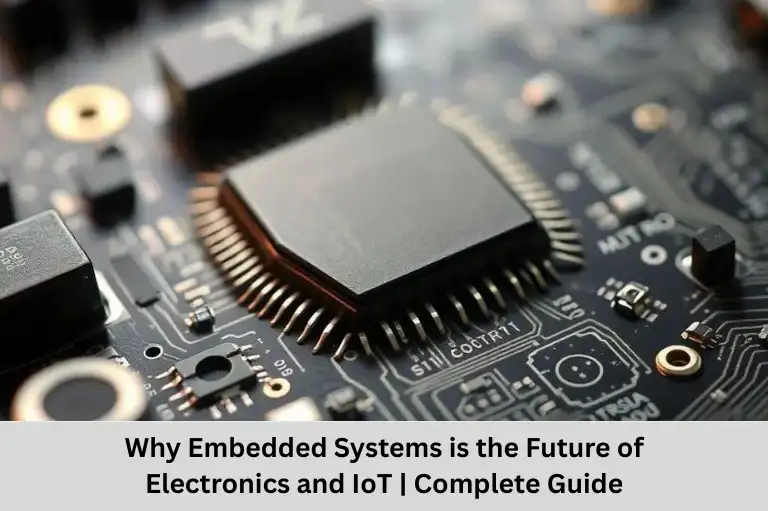
Discover why embedded systems are shaping the future of electronics and IoT. Learn about applications, industry demand, career opportunities, and how ETDA prepares students for successful embedded careers.
- Why Embedded Systems is the Future of Electronics and IoT | Complete Guide
-
Why Embedded Systems is the Future of Electronics and IoT
- What are Embedded Systems?
- Understanding the Connection Between Embedded Systems and IoT
- Why Embedded Systems are Driving the Future of Electronics
- Key Technologies Shaping the Future of Embedded Systems
- Industries Benefiting from Embedded Systems
- Why Embedded Systems Skills are in High Demand
- Career Opportunities in Embedded Systems and IoT
- How ETDA Prepares Students for the Future
- Skills Every Future Embedded Engineer Should Learn
-
Frequently Asked Questions (FAQs)
- Why are embedded systems important for IoT?
- Is embedded systems a good career in 2026 and beyond?
- Which industries hire embedded systems engineers?
- What programming language is most important for embedded systems?
- Can embedded systems be combined with AI and IoT?
- Does ETDA provide training in Embedded Systems and IoT?
- Do embedded systems have a future?
- Conclusion
Why Embedded Systems is the Future of Electronics and IoT
Technology is evolving faster than ever before. From smart homes and wearable devices to autonomous vehicles and industrial automation, intelligent systems are becoming an essential part of our daily lives. Behind these innovations lies a powerful technology that often works silently in the background—Embedded Systems.
Today, industries are moving toward connected devices, real-time automation, and smart decision-making systems. This transformation has fueled the rapid growth of the Internet of Things (IoT) and advanced electronics. At the core of these technologies are embedded systems that enable devices to sense, process, communicate, and act intelligently.
As businesses invest heavily in automation, smart products, and connected ecosystems, embedded systems have emerged as one of the most promising career domains for engineering students and professionals. The demand for skilled embedded engineers continues to grow across sectors such as automotive, healthcare, consumer electronics, industrial automation, aerospace, and telecommunications.
Embedded Tech Development Academy (ETDA) helps aspiring engineers build industry-ready skills in Embedded Systems, IoT, ARM, STM32, Embedded C, RTOS, and related technologies through practical training and placement-focused programs.
In this article, we will explore why embedded systems are considered the future of electronics and IoT, the technologies driving this growth, and the career opportunities available for engineers.
What are Embedded Systems?
An embedded system is a specialized computing system designed to perform a dedicated function within a larger electronic device.
Unlike general-purpose computers, embedded systems are optimized for specific tasks and often operate with minimal human intervention.
Examples include:
- Smart Watches
- Washing Machines
- Smart TVs
- Medical Devices
- Traffic Control Systems
- Security Cameras
- Industrial Controllers
- Automotive Electronics
Embedded systems combine hardware and software to deliver reliable, efficient, and real-time performance.
Understanding the Connection Between Embedded Systems and IoT
Many people assume IoT and Embedded Systems are separate technologies, but they are closely interconnected.
What is IoT?
The Internet of Things (IoT) refers to a network of connected devices that collect, share, and process data through the internet.
Examples include:
- Smart Thermostats
- Smart Lighting Systems
- Fitness Trackers
- Smart Agriculture Solutions
- Connected Vehicles
How Embedded Systems Enable IoT
Every IoT device contains an embedded system responsible for:
Data Collection
Gathering and processing real-time information from sensors to enable intelligent monitoring, automation, and control systems.
Data Processing
Analyzing collected information to generate meaningful insights, enable intelligent decisions, and improve overall system efficiency
Communication
Transmitting data through wired or wireless networks to enable seamless communication, remote monitoring, and intelligent system connectivity.
Device Control
Taking actions based on programmed logic. Without embedded systems, IoT devices would not function effectively.
Why Embedded Systems are Driving the Future of Electronics
Electronics are becoming smarter, more efficient, and increasingly connected. Embedded systems are the technology enabling this transformation.
Growth of Smart Devices
Consumers increasingly rely on intelligent products.
Examples include:
- Smart Watches
- Smart TVs
- Smart Appliances
- Voice Assistants
- Home Automation Systems
Each of these products depends on embedded systems for operation.
As smart device adoption grows, so does the demand for embedded engineers.
Rise of Industrial Automation
Industries are adopting automation to improve efficiency and reduce operational costs.
Industrial Applications
- Robotics
- Process Control Systems
- Manufacturing Automation
- Quality Monitoring Systems
Embedded systems play a critical role in ensuring real-time control and reliable operation.
Expansion of Electric Vehicles (EVs)
Electric vehicles are revolutionizing transportation.
Modern EVs contain numerous embedded controllers responsible for:
- Battery Management
- Motor Control
- Vehicle Diagnostics
- Safety Systems
- Infotainment Systems
The growth of EV technology is creating significant opportunities for embedded professionals.
Key Technologies Shaping the Future of Embedded Systems
Several emerging technologies are accelerating the growth of embedded systems.
Artificial Intelligence (AI)
Embedded AI allows devices to make intelligent decisions locally.
Applications include:
- Facial Recognition
- Smart Surveillance
- Predictive Maintenance
- Autonomous Navigation
AI-powered embedded systems are becoming increasingly common.
Edge Computing
Traditional cloud-based processing introduces latency. Edge computing solves this by processing data closer to the source.
Benefits
- Faster Response Times
- Reduced Bandwidth Usage
- Enhanced Security
Embedded systems are essential for implementing edge computing solutions.
5G Connectivity
5G technology enables:
- Faster Data Transfer
- Lower Latency
- Massive Device Connectivity
This supports large-scale IoT deployments and smart city initiatives.
Machine Learning
Machine learning algorithms are increasingly being integrated into embedded devices.
Applications include:
- Predictive Analytics
- Smart Manufacturing
- Healthcare Monitoring
- Industrial Automation
Embedded systems provide the hardware platform needed to run these intelligent applications.
Industries Benefiting from Embedded Systems
Embedded technology is transforming multiple sectors.
Automotive Industry
Modern vehicles contain dozens of embedded systems.
Examples
- Engine Control Units
- Airbag Systems
- ABS Controllers
- Electric Vehicle Management Systems
Automotive electronics remains one of the largest embedded systems markets.
Healthcare Industry
Medical devices rely heavily on embedded technology.
Examples include:
- ECG Machines
- Patient Monitoring Systems
- Infusion Pumps
- Portable Diagnostic Devices
Embedded systems improve patient care and operational efficiency.
Consumer Electronics
Popular devices include:
- Smartphones
- Smart TVs
- Gaming Consoles
- Wearables
These products continuously evolve through advancements in embedded technology.
Industrial Automation
Factories increasingly depend on embedded systems for:
- Robotics
- Process Monitoring
- Quality Control
- Predictive Maintenance
Industry 4.0 initiatives are further accelerating adoption.
Smart Cities
Embedded systems support:
- Traffic Management
- Smart Parking
- Energy Monitoring
- Environmental Sensing
These applications improve urban efficiency and sustainability.
Why Embedded Systems Skills are in High Demand
The growing adoption of smart technologies has created a significant demand for embedded professionals.
Employers seek engineers skilled in:
- Embedded C Programming
- ARM Architecture
- STM32 Development
- RTOS
- IoT Technologies
- Communication Protocols
- Embedded Linux
These skills are essential for developing next-generation electronic products.
Career Opportunities in Embedded Systems and IoT
Students trained in embedded systems can pursue numerous career paths.
Embedded Software Engineer
Develops firmware for embedded devices, enabling efficient hardware control, reliable performance, and seamless system functionality.
IoT Developer
Builds connected smart systems that enable seamless communication, automation, and intelligent decision-making across devices and applications.
Automotive Embedded Engineer
Embedded Linux Engineer
Develops Linux-based embedded applications for reliable device control, system integration, communication, and real-time performance in embedded systems.
Firmware Engineer
Designs low-level software that directly controls hardware, enabling efficient device operation, resource management, and system functionality.
Robotics Engineer
Develops intelligent robotic systems. The future job market strongly favors engineers with embedded and IoT expertise.
How ETDA Prepares Students for the Future
As embedded technologies continue to evolve, practical training becomes increasingly important. Embedded Tech Development Academy (ETDA) provides industry-oriented training designed to bridge the gap between academic learning and industry requirements.
Comprehensive Curriculum
Students gain expertise in:
C Programming
Building strong programming foundations through practical coding, problem-solving, and core software development concepts essential for embedded systems.
Embedded C
Programming microcontrollers efficiently to develop reliable, optimized, and high-performance embedded applications for real-world systems.
ARM Cortex-M Architecture
Understanding modern processor architectures to build efficient embedded systems and optimize software performance across diverse hardware platforms.
Communication Protocols
Learning UART, SPI, I2C, and CAN communication protocols for seamless data exchange and device connectivity in embedded systems.
RTOS
Developing real-time embedded applications that respond predictably to events, ensuring reliable performance, efficient resource utilization, and timely task execution.
IoT Technologies
Building connected smart devices that communicate seamlessly, collect and process data, and enable intelligent automation through IoT technologies.
Real-Time Projects
Students work on practical projects involving:
- Home Automation
- Smart Monitoring Systems
- IoT Applications
- Industrial Automation
- Sensor Interfacing
Project-based learning improves technical confidence and employability.
Placement-Focused Training
ETDA supports students through:
- Resume Building
- Mock Interviews
- Technical Assessments
- Career Guidance
- Placement Assistance
This structured approach helps students become industry-ready.
Skills Every Future Embedded Engineer Should Learn
To succeed in the evolving embedded industry, engineers should focus on:
Programming Skills
- C Programming
- Embedded C
- Python Basics
Hardware Knowledge
- Electronics Fundamentals
- Microcontrollers
- Sensors
Software Development
- RTOS
- Embedded Linux
- Firmware Development
Communication Technologies
- UART
- SPI
- I2C
- CAN
- Wireless Communication
Continuous learning is essential in this rapidly changing field.
Frequently Asked Questions (FAQs)
Why are embedded systems important for IoT?
Embedded systems collect data, process information, and control device operations, making IoT functionality possible.
Is embedded systems a good career in 2026 and beyond?
Yes. The growth of IoT, automation, electric vehicles, robotics, and smart devices continues to increase demand for embedded engineers.
Which industries hire embedded systems engineers?
Automotive, healthcare, consumer electronics, industrial automation, aerospace, telecommunications, and IoT companies actively hire embedded professionals.
What programming language is most important for embedded systems?
Embedded C remains the most important programming language for embedded development.
Can embedded systems be combined with AI and IoT?
Yes. Modern embedded systems increasingly integrate AI, machine learning, and IoT technologies.
Does ETDA provide training in Embedded Systems and IoT?
Yes. ETDA offers comprehensive training in Embedded Systems, ARM, STM32, Embedded C, RTOS, IoT, and placement-oriented career development.
Do embedded systems have a future?
Absolutely. Embedded systems are at the center of emerging technologies and will continue to play a vital role in future innovations.
Conclusion
Embedded systems are no longer limited to simple electronic devices. They have become the foundation of modern technology, enabling smart products, connected devices, automation systems, electric vehicles, healthcare innovations, and intelligent industrial solutions. As IoT, AI, edge computing, and 5G technologies continue to expand, the importance of embedded systems will only grow.
For engineering students looking to build a future-proof career, learning embedded systems offers excellent opportunities in some of the world’s fastest-growing industries.
Embedded Tech Development Academy (ETDA) equips students with the practical skills required to succeed in this evolving landscape. Through hands-on training in Embedded C, ARM, STM32, RTOS, IoT, and real-time projects, ETDA helps aspiring engineers become industry-ready professionals. With expert mentorship, placement-focused learning, and exposure to modern technologies, ETDA provides the ideal pathway for launching a successful career in Embedded Systems and IoT.
Author: ETDA Trainers
Experience: 10+ Years of Industry Experience in Embedded Systems, IoT, and Embedded C Programming