
Top Embedded Systems Skills Every Engineer Must Learn
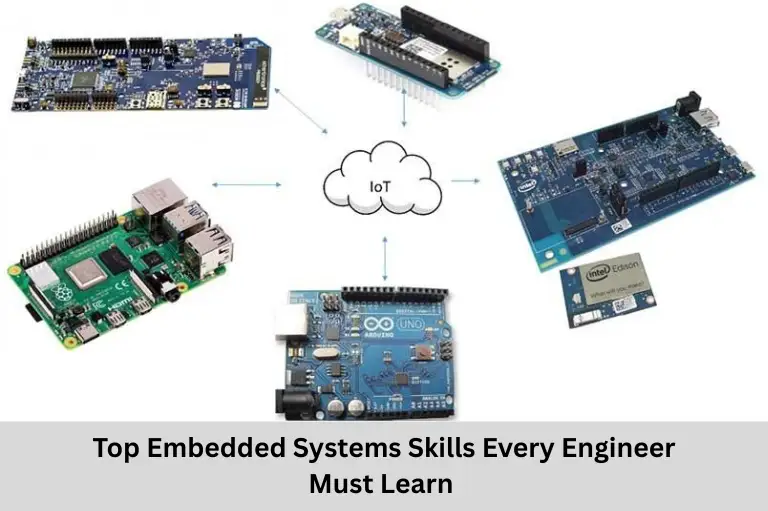
Discover the top embedded systems skills every engineer must learn, including Embedded C, ARM, RTOS, IoT, Embedded Linux, STM32, and communication protocols for a successful career.
-
Top Embedded Systems Skills Every Engineer Must Learn
- Top Embedded Systems Skills Every Engineer Must Learn
- What Are Embedded Systems?
- Why Learning Embedded Systems Skills Is Important
- 1. C Programming
- 2. Embedded C Programming
- 3. Microcontroller Programming
- Build Industry Skills with ETDA
- 4. ARM Cortex-M Architecture
- 5. Communication Protocols
- 6. Real-Time Operating Systems (RTOS)
- 7. Embedded Linux
- 8. Internet of Things (IoT)
- 9. Electronics Fundamentals
- 10. PCB and Hardware Basics
- 11. Debugging and Troubleshooting
- 12. Data Structures and Algorithms
- Importance of Embedded Systems Projects
- Soft Skills Every Embedded Engineer Should Develop
- Career Opportunities in Embedded Systems
- Why Choose ETDA for Embedded Systems Training?
-
Frequently Asked Questions (FAQs)
- What skills are required for an Embedded Systems Engineer?
- Is C Programming mandatory for Embedded Systems?
- Which microcontroller should beginners learn?
- Is RTOS important for embedded jobs?
- Is Embedded Linux necessary?
- What projects should beginners build?
- Are embedded systems jobs in demand?
- Does ETDA provide placement support?
- Conclusion
Top Embedded Systems Skills Every Engineer Must Learn
The embedded systems industry is experiencing unprecedented growth. From smart devices and industrial automation to electric vehicles, medical equipment, robotics, and IoT solutions, embedded technology is transforming the modern world. As industries continue to adopt intelligent and connected systems, the demand for skilled embedded engineers is rising rapidly.
However, many engineering students and fresh graduates often wonder what skills are actually required to build a successful career in embedded systems. While having a degree in Electronics, Electrical, Computer Science, or related fields is important, companies today look for practical skills that enable engineers to design, develop, and troubleshoot real-world embedded products.
Learning the right embedded systems skills can significantly improve your job opportunities, technical expertise, and long-term career growth. In this guide, we’ll explore the most important embedded systems skills every engineer should learn and why they are essential in today’s technology-driven world.
What Are Embedded Systems?
An embedded system is a specialized computing system designed to perform a specific function within a larger device or machine.
Unlike general-purpose computers, embedded systems are built to perform dedicated tasks efficiently and reliably.
Examples include:
- Smart TVs
- Washing Machines
- Medical Devices
- Automotive Control Units
- Industrial Controllers
- Smart Watches
- IoT Devices
- Home Automation Systems
Embedded systems combine hardware and software to perform specific operations with minimal user intervention.
Why Learning Embedded Systems Skills Is Important
The embedded industry is growing across multiple sectors, including:
- Automotive Electronics
- Industrial Automation
- Consumer Electronics
- Healthcare Technology
- Aerospace
- Robotics
- Internet of Things (IoT)
Engineers with specialized embedded skills are highly valued because they can work on both hardware and software aspects of product development.
Learning these skills helps:
- Improve employability
- Increase salary potential
- Build practical expertise
- Prepare for industry requirements
- Access diverse career opportunities
1. C Programming
C Programming is the foundation of embedded systems development.
Most embedded software and firmware are written using C because it offers:
- High Performance
- Direct Hardware Access
- Memory Control
- Efficient Execution
Important C Programming Topics
Engineers should master:
- Variables and Data Types
- Loops
- Functions
- Arrays
- Structures
- Pointers
- Dynamic Memory Allocation
- File Handling
- Data Structures
A strong understanding of C programming is essential before moving to advanced embedded concepts.
2. Embedded C Programming
After learning standard C, engineers must understand Embedded C. Embedded C is specifically designed for microcontroller programming and hardware interaction.
Key Embedded C Concepts
- Register Programming
- Bit Manipulation
- Interrupt Handling
- Timers and Counters
- Peripheral Control
- Memory-Mapped I/O
Embedded C allows developers to control hardware efficiently and is one of the most frequently requested skills in embedded job descriptions.
3. Microcontroller Programming
Microcontrollers are the heart of embedded systems. Engineers should learn how to program and interface popular microcontrollers.
Popular Microcontrollers
- STM32
- ARM Cortex-M
- ESP32
- PIC
- AVR
Learning microcontroller programming helps students understand how software interacts with hardware in real-world devices.
Build Industry Skills with ETDA
Practical exposure is critical for mastering embedded systems.
Embedded Tech Development Academy (ETDA) provides industry-focused training in:
- C Programming
- Embedded C
- STM32
- ARM Cortex-M
- RTOS
- Embedded Linux
- IoT
- Automotive Embedded Systems
Students gain hands-on experience through real-time projects, hardware labs, and practical assignments.
ETDA also provides assured placements, helping students transition successfully into embedded systems careers.
4. ARM Cortex-M Architecture
ARM processors dominate the embedded systems industry.
Most modern embedded products use ARM-based microcontrollers because of their:
- High Performance
- Energy Efficiency
- Scalability
Important ARM Topics
- ARM Architecture Basics
- Registers
- Instruction Set
- Memory Organization
- Exception Handling
- Cortex-M Series
Understanding ARM architecture gives engineers a significant advantage during interviews and project development.
5. Communication Protocols
Embedded devices rarely operate independently. They communicate with sensors, controllers, and other devices through communication protocols.
Essential Protocols
UART
Used for serial communication between microcontrollers, sensors, modules, and other embedded devices, enabling reliable data exchange and seamless system integration.
SPI
High-speed communication protocol used for efficient data transfer between microcontrollers, sensors, memory devices, and peripherals in embedded systems, ensuring fast and reliable communication.
I2C
Supports communication with multiple devices on a single bus, allowing efficient data exchange between microcontrollers, sensors, memory modules, and various peripherals in embedded systems.
CAN
Widely used in automotive systems for communication between ECUs, sensors, and other vehicle components, ensuring reliable and efficient data transfer.
USB
Used for communication between computers and peripheral devices, enabling reliable data transfer, device connectivity, and efficient system integration.
Ethernet
Provides network connectivity. Communication protocols are frequently used in real-world embedded projects and technical interviews.
6. Real-Time Operating Systems (RTOS)
Many modern embedded systems require multitasking and predictable response times.
This is where RTOS becomes important.
Popular RTOS Platforms
- FreeRTOS
- ThreadX
- Zephyr
- VxWorks
Skills to Learn
- Task Management
- Scheduling
- Semaphores
- Queues
- Inter-Task Communication
RTOS knowledge is highly valued in industrial automation and automotive industries.
7. Embedded Linux
Embedded Linux powers many advanced embedded products.
Examples include:
- Smart TVs
- Routers
- Automotive Infotainment Systems
- Industrial Controllers
Important Topics
- Linux Commands
- Shell Scripting
- Device Drivers
- Kernel Basics
- File Systems
Embedded Linux opens opportunities in high-end embedded development roles.
8. Internet of Things (IoT)
IoT has become one of the fastest-growing domains in embedded systems. IoT combines embedded devices with internet connectivity.
Skills Required for IoT
- Sensor Interfacing
- ESP32 Programming
- MQTT Protocol
- Cloud Connectivity
- Wireless Communication
- IoT Security
IoT expertise can significantly expand career opportunities.
9. Electronics Fundamentals
Embedded engineers should understand the hardware they work with.
Important topics include:
- Analog Electronics
- Digital Electronics
- Logic Gates
- Sensors
- Actuators
- Signal Conditioning
Strong electronics fundamentals improve troubleshooting and hardware integration skills.
10. PCB and Hardware Basics
Although software development is a major part of embedded systems, understanding hardware design is beneficial.
Engineers should know:
- PCB Components
- Circuit Reading
- Schematic Analysis
- Power Supply Basics
These skills help during debugging and system integration.
11. Debugging and Troubleshooting
Debugging is one of the most important skills for embedded engineers.
Common debugging tools include:
- ST-Link
- JTAG
- Oscilloscope
- Logic Analyzer
- Serial Terminal
Engineers who can efficiently identify and solve issues are highly valued by employers.
12. Data Structures and Algorithms
Many students underestimate the importance of data structures in embedded systems.
Commonly used structures include:
- Arrays
- Linked Lists
- Stacks
- Queues
- Circular Buffers
These concepts improve memory management and software efficiency.
Data structures are also frequently asked during technical interviews.
Importance of Embedded Systems Projects
Learning theory alone is not enough.
Projects help engineers:
- Apply Concepts
- Gain Practical Experience
- Build Portfolios
- Improve Problem-Solving Skills
Beginner Project Ideas
- Smart Home Automation
- Temperature Monitoring System
- RFID Access Control
- IoT Weather Station
- Line Following Robot
Projects demonstrate technical competency to employers.
Soft Skills Every Embedded Engineer Should Develop
Communication Skills
Help explain technical concepts clearly, enabling effective communication with team members, clients, and stakeholders during project development.
Team Collaboration
Most embedded projects involve cross-functional teams, making collaboration and teamwork essential for successful product development and delivery.
Problem-Solving Ability
Critical for debugging and development, helping engineers identify issues, analyze root causes, and implement effective solutions efficiently.
Documentation Skills
Essential for maintaining project records and reports. Companies prefer engineers who possess both technical and interpersonal skills.
Career Opportunities in Embedded Systems
After acquiring these skills, engineers can pursue various career opportunities in embedded systems, automotive electronics, IoT, robotics, and industrial automation.
Embedded Software Engineer
Develop firmware and embedded applications for microcontrollers, processors, and embedded devices across various industries.
Firmware Engineer
Work on low-level hardware-software integration, ensuring seamless interaction between embedded software, microcontrollers, peripherals, and hardware components.
IoT Developer
Develop connected smart devices and IoT solutions that enable real-time monitoring, communication, and automation across various applications.
Embedded Linux Engineer
Build Linux-based embedded systems for applications requiring advanced processing, networking, user interfaces, and real-time functionality.
Automotive Embedded Engineer
Develop vehicle electronics and control software for automotive systems, including ECUs, ADAS, infotainment, and electric vehicle applications.
Robotics Engineer
Design intelligent robotic systems.
The demand for these roles continues to grow globally.
Why Choose ETDA for Embedded Systems Training?
Many engineering graduates struggle because traditional college education often lacks practical industry exposure.
Embedded Tech Development Academy (ETDA) helps bridge this gap through industry-oriented training programs.
ETDA offers:
- Embedded C Training
- STM32 Programming
- ARM Cortex-M Architecture
- RTOS
- Embedded Linux
- IoT Development
- Automotive Embedded Systems
Students benefit from:
- Hands-On Practical Training
- Real-Time Projects
- Industry-Oriented Curriculum
- Expert Mentorship
- Interview Preparation
- Resume Building Support
- Assured Placements
This comprehensive training approach helps students become job-ready embedded professionals.
Frequently Asked Questions (FAQs)
What skills are required for an Embedded Systems Engineer?
Key skills include C Programming, Embedded C, Microcontrollers, ARM Architecture, Communication Protocols, RTOS, Embedded Linux, and IoT.
Is C Programming mandatory for Embedded Systems?
Yes. C Programming is considered the foundation of embedded systems development.
Which microcontroller should beginners learn?
STM32 and ARM Cortex-M microcontrollers are highly recommended because of their industry relevance.
Is RTOS important for embedded jobs?
Yes. RTOS knowledge improves job opportunities, especially in automotive and industrial automation sectors.
Is Embedded Linux necessary?
For advanced embedded roles, Embedded Linux is highly beneficial and often required.
What projects should beginners build?
Projects such as home automation systems, sensor monitoring systems, and IoT-based applications are excellent starting points.
Are embedded systems jobs in demand?
Yes. Embedded systems professionals are in high demand across automotive, healthcare, industrial automation, robotics, and IoT industries.
Does ETDA provide placement support?
Yes. Embedded Tech Development Academy (ETDA) provides industry-focused training along with assured placements to help students launch successful careers in embedded systems.
Conclusion
Embedded Systems is one of the most exciting and rapidly growing technology domains today. As industries continue to develop smarter devices, connected products, autonomous systems, and intelligent machines, the demand for skilled embedded engineers will continue to rise.
To build a successful career, engineers should focus on mastering essential skills such as C Programming, Embedded C, STM32, ARM Cortex-M Architecture, Communication Protocols, RTOS, Embedded Linux, IoT, Electronics Fundamentals, and Debugging Techniques. Developing these skills through hands-on projects and practical learning can significantly improve employability and career growth.
Embedded Tech Development Academy (ETDA) is committed to helping students and engineering graduates become industry-ready embedded professionals. ETDA provides comprehensive training in Embedded C, STM32, ARM Cortex-M, RTOS, Embedded Linux, IoT, and Automotive Embedded Systems through practical lab sessions and real-time projects.
With experienced trainers, project-based learning, career mentoring, technical interview preparation, and assured placements, ETDA equips students with the knowledge and confidence needed to succeed in the embedded systems industry. Whether you’re a beginner exploring embedded systems or an engineering graduate seeking a rewarding technology career, ETDA provides the right platform to achieve your goals.
Author: ETDA Trainers
Experience: 10+ Years of Industry Experience in Embedded Systems, IoT, and Embedded C Programming