Internet of Things (IoT) – FAQ’s ( Frequently Asked Questions )
What are the objectives of the IoT certification course at ETDA?
The IoT course at ETDA aims to provide a comprehensive understanding of IoT systems, from sensor integration to cloud connectivity, enabling students to develop practical IoT applications and solutions for various industries.
Does ETDA provide placement assistance after the IoT certification course?
Yes, ETDA provides placement assistance with continuous job opportunities in leading companies across the IoT, embedded systems, and electronics industries.
What qualifications are required to join the IoT course?
To join our IoT course, students should have a Bachelor’s degree in Engineering or Technology (preferably in ECE, EEE, CSE) or relevant experience in the field.
What is the batch size for the IoT certification course at ETDA?
We maintain a small batch size of 15-20 students per batch to ensure personalized attention and effective learning throughout the IoT certification course.
What are the timings for the IoT certification course?
Our IoT certification course offers flexible timings, with both weekend and weekday options to cater to working professionals and students, ensuring convenience in scheduling.
What if I don’t get a job after completing the IoT course at ETDA?
If a student does not secure a job after completing the IoT course, ETDA provides unlimited placement opportunities until the candidate is successfully placed.
Will I receive a certificate after completing the IoT certification course at ETDA?
Yes, students who successfully complete the IoT certification course at ETDA will receive a graded certificate, recognized by industry standards, to help them in their job search.
Which companies recruit candidates from ETDA for IoT-related roles?
Leading IoT and tech companies from sectors like smart home automation, healthcare, automotive, and telecommunications visit ETDA for recruitment drives.
Can I take selective modules from the IoT course at ETDA instead of the full program?Yes, ETDA offers modular learning options, allowing students to take up selective modules based on their specific interest areas, such as IoT sensors, cloud computing, or smart devices.
Looking to start a career in the core domain? What are the best courses for Electronics and Communication Engineering students?
At ETDA, students can opt for Embedded Systems and IoT courses with placement support, which are ideal for Electronics and Communication Engineering graduates aiming to excel in the core domain.
You may also like
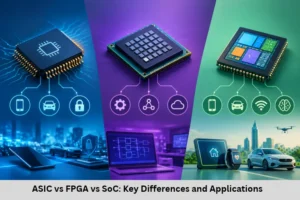
ASIC vs FPGA vs SoC: Key Differences and Applications
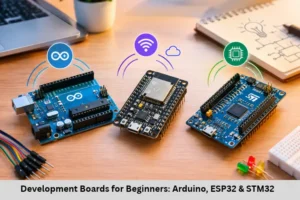
Development Boards for Beginners: Arduino, ESP32 & STM32